
The Brian Bushway library
Navigate the world by ear, by cane, and by choice.
Practical guidance on human echolocation, orientation and mobility, blind independent living, assistive tools, adaptive sports, and Brian Bushway's speaking and teaching work.
Start with the track that matches the question you have now, then move into deeper guides, checklists, comparisons, and stories.
Start here
Seven tracks through the library.
Each section opens into practical guides, checklists, comparisons, and deeper reading paths.
Echolocation
Guides, explainers, and practice pages about human echolocation, listening skills, beginner drills, and the science behind hearing space.
02Orientation & Mobility
Practical pages about white cane skills, route planning, street crossings, travel confidence, and how blind travelers build independent movement.
03Independent Living
Home setup, kitchen systems, labeling, routines, and real-world advice for building confident blind or low-vision daily living skills.
04Tools & Products
Reviews, comparisons, and editorial buying guidance for assistive tools, labeling systems, braille products, and everyday blind-access equipment.
05Sports & Outdoors
Adaptive sports, outdoor confidence, biking, trail training, and practical preparation for blind recreation beyond the classroom.
06Stories
Profiles, commentary, field stories, media context, and historical pages that add perspective to blind independence and echolocation work.
07Speaking
Keynote speaking, workshop topics, school and team training, and practical guidance for organizations interested in Brian Bushway programs.
Featured read
Start with one page that frames the whole topic.
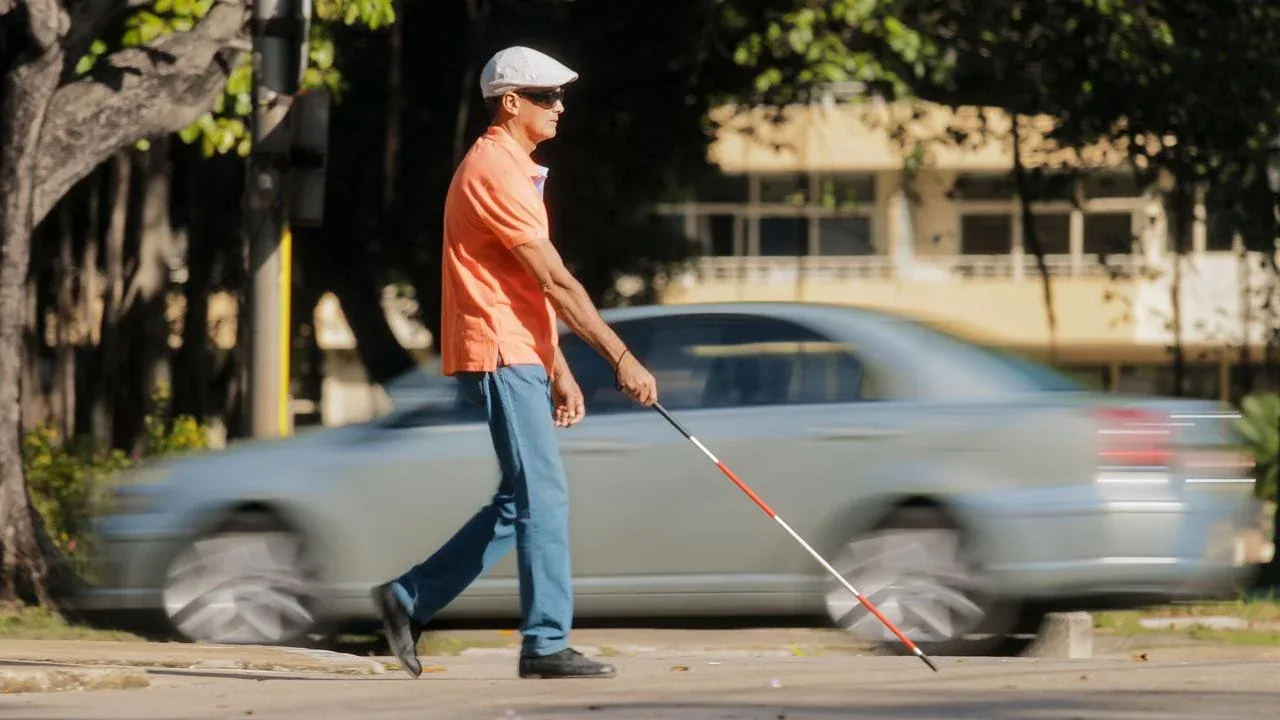
What Echolocation Practice Actually Builds Before You Try It on a Real Route
Learn what early echolocation practice actually develops before you depend on it for real travel, route reading, or outdoor movement.
Read the guide →Latest additions
New and foundational pages.
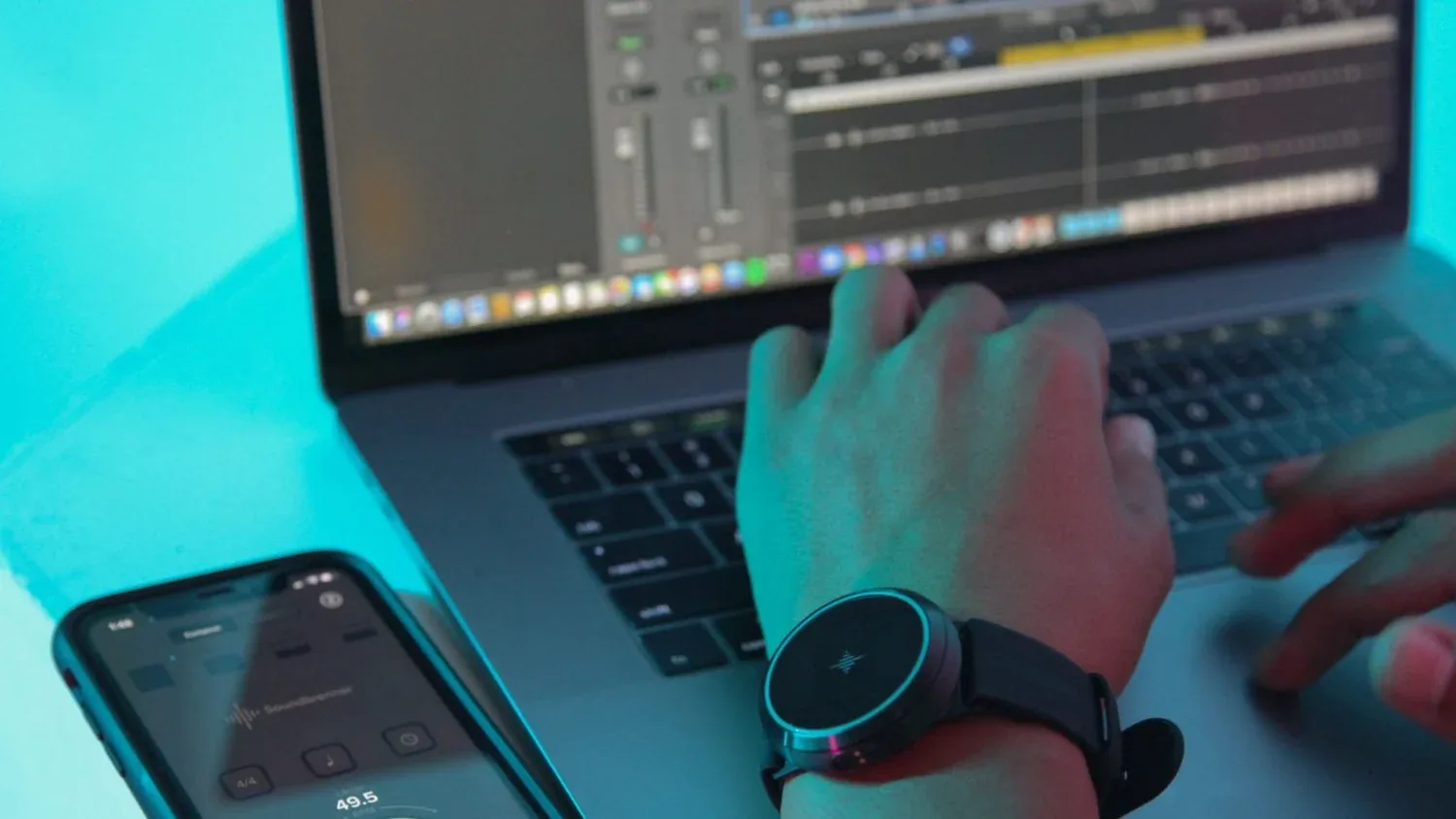
Free Accessible Metronome Apps for Blind and Low-Vision Musicians
Compare free accessible metronomes for VoiceOver, TalkBack, keyboard input, high-contrast displays, browser use, and hands-free Alexa control.
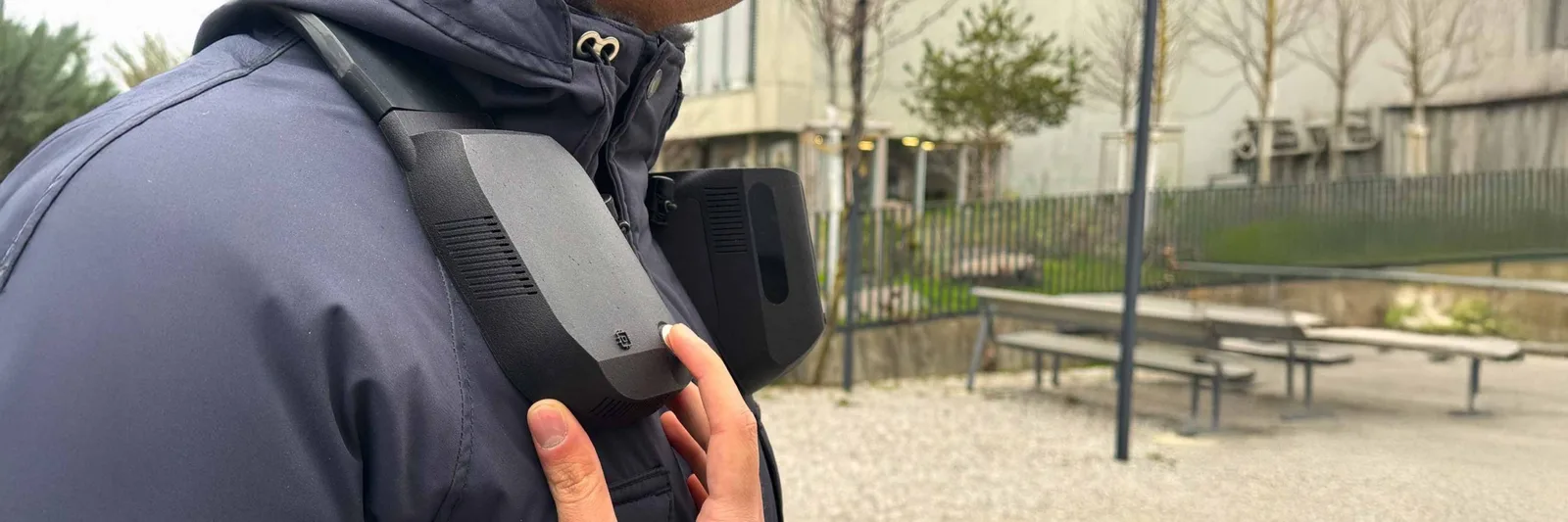
Body Protection Techniques for Safer Blind Travel
Learn how three body-protection techniques help blind travelers detect doors, branches, furniture, and wall openings while complementing a white cane or guide.
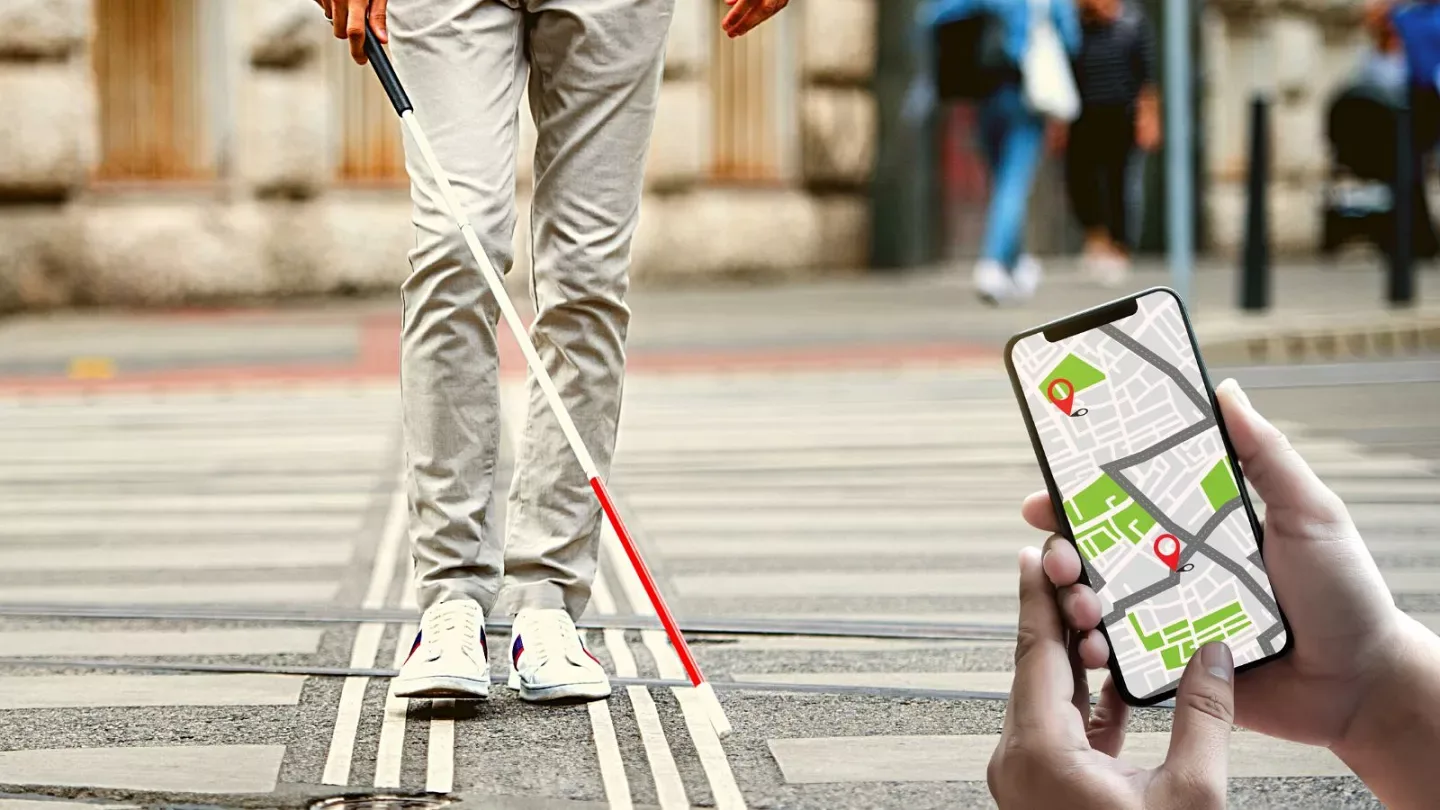
How I use my smartphone for traveling
A focused guide to How I use my smartphone for traveling built around practical details from a vetted article.
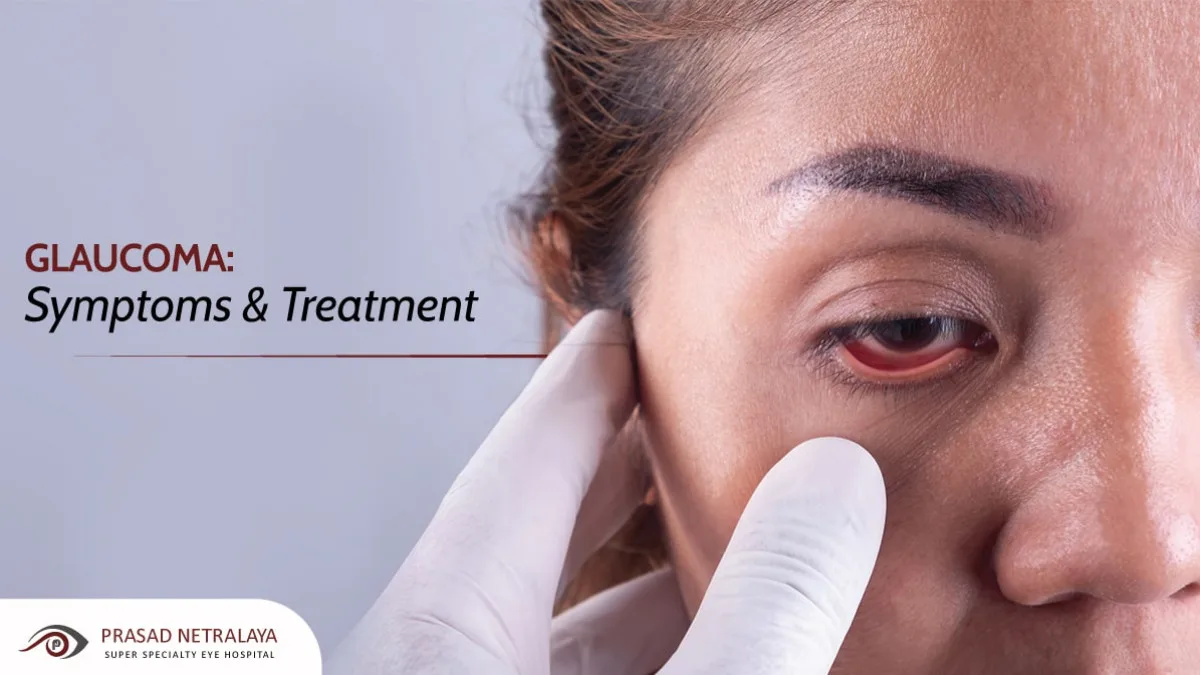
Glaucoma Symptoms, Diagnosis, and Protecting Your Sight
Understand glaucoma, peripheral-vision changes, common types, diagnosis, and why early treatment helps protect remaining sight.
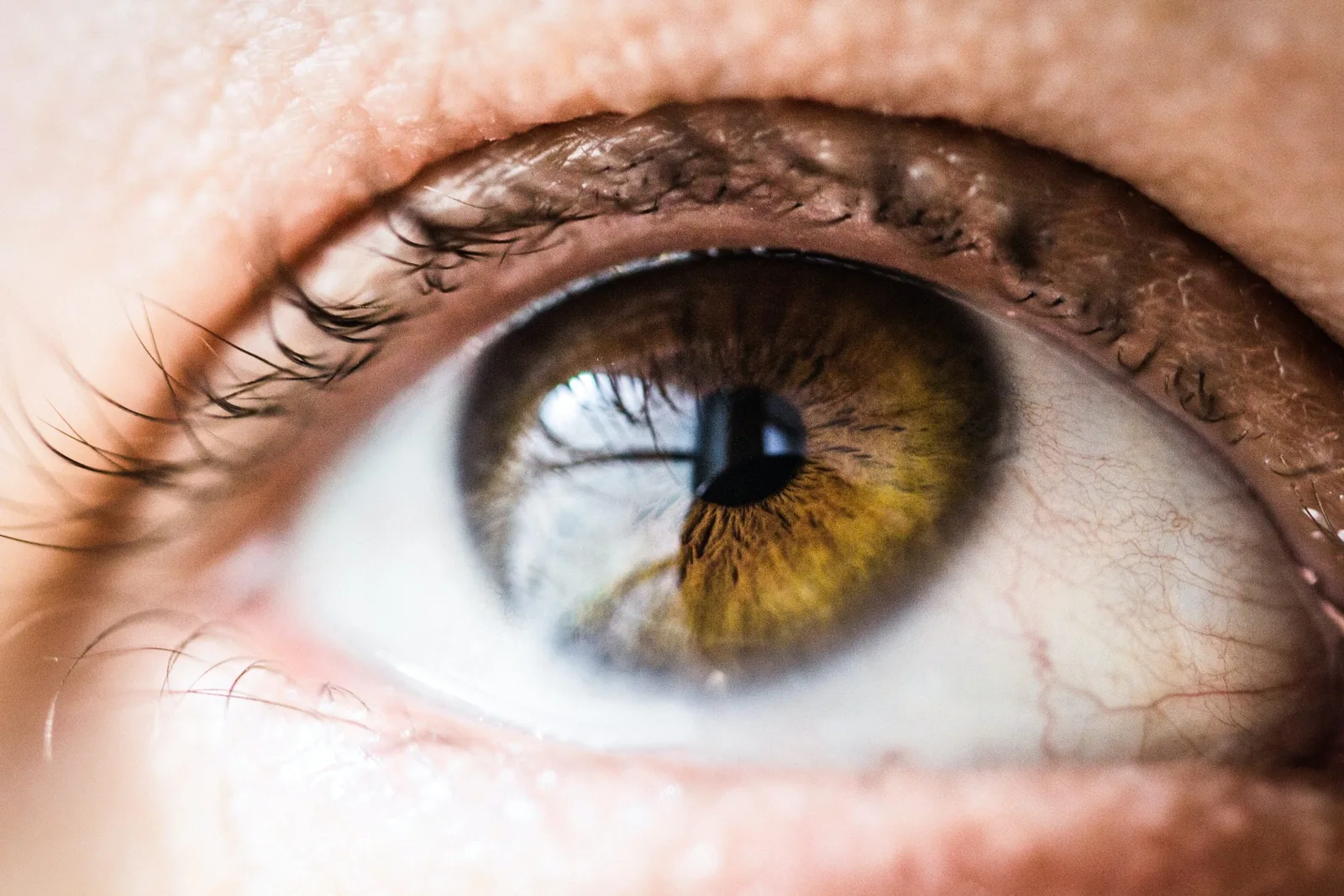
Fuchs' endothelial corneal dystrophy for Greater Independence in Everyday Life
A focused guide to Fuchs' endothelial corneal dystrophy for Greater Independence in Everyday Life built around practical details from a vetted article.
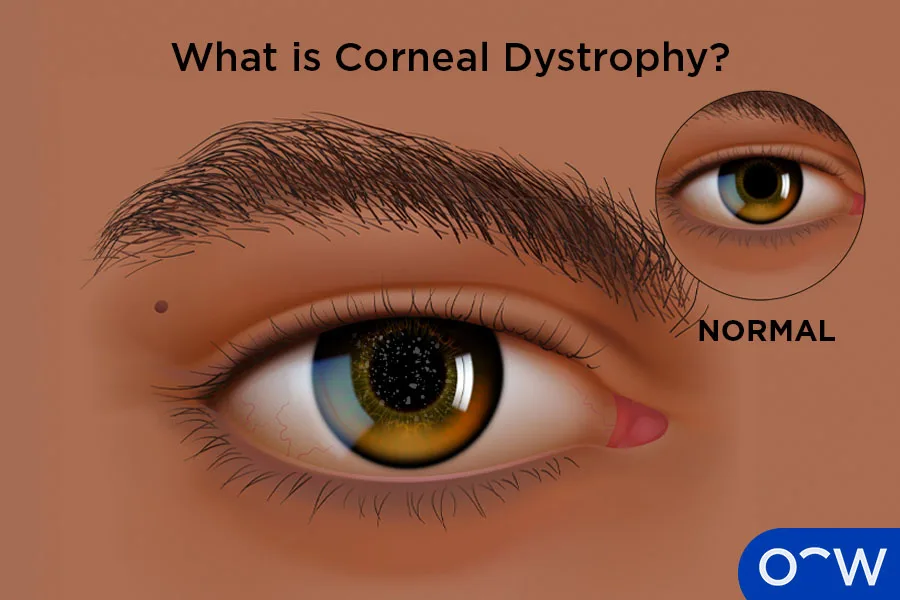
Corneal dystrophies for Greater Independence in Everyday Life
A focused guide to Corneal dystrophies for Greater Independence in Everyday Life built around practical details from a vetted article.
Tools & products
Reviews and comparisons for everyday blind-access gear.
Stories & context
Profiles, commentary, and media perspective.
Work with Brian
Keynotes, workshops, interviews, and accessibility training.
Keynotes, workshops, interviews, and training for schools, nonprofits, conferences, accessibility teams, and media projects.