
Orientation & Mobility
Orientation and Mobility Guides
Practical pages about white cane skills, route planning, street crossings, travel confidence, and how blind travelers build independent movement.
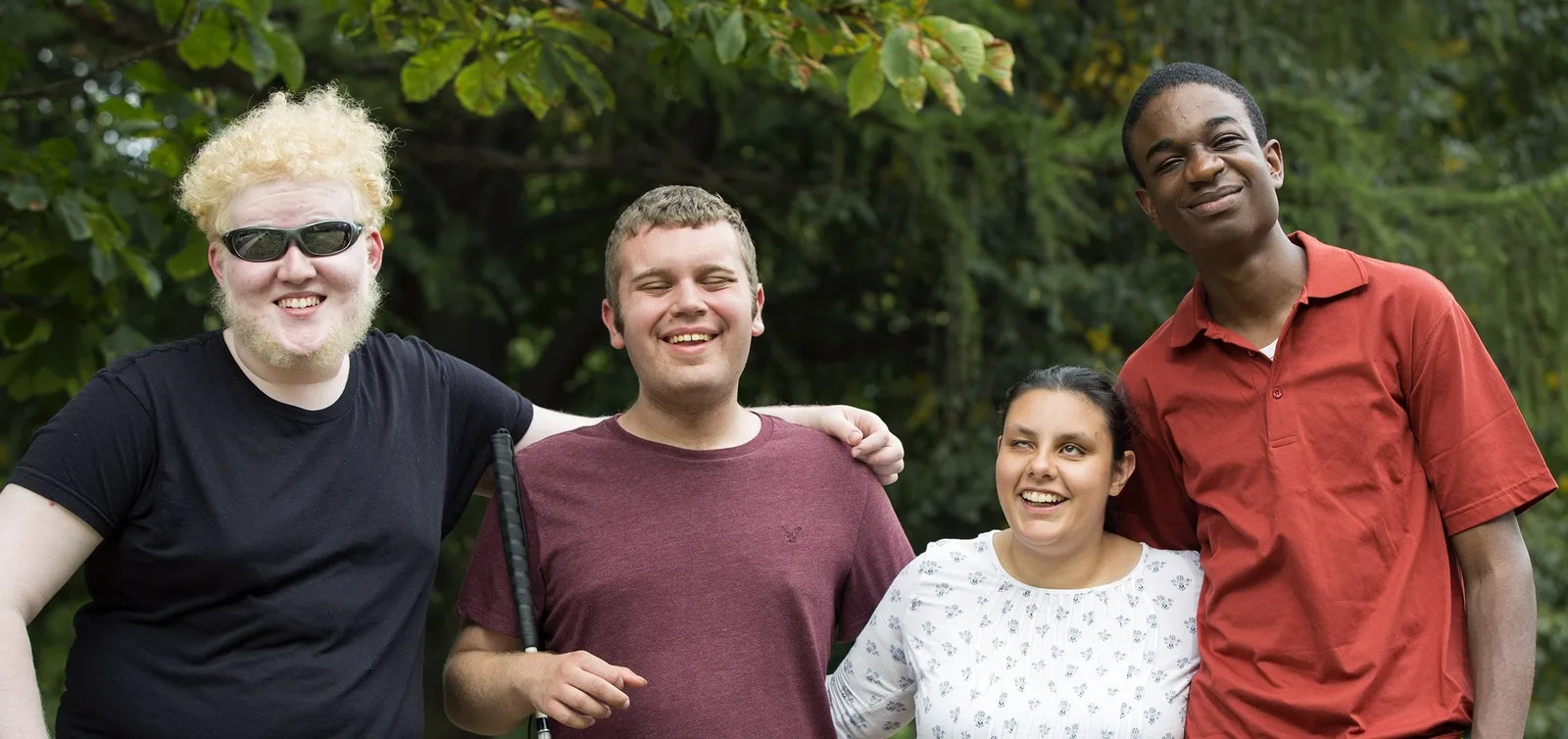
How Community Outings Build Orientation Skills Before Bigger Routes
Use short community outings to build route confidence, landmark understanding, and travel concepts before longer or busier orientation challenges.
01 · Open guide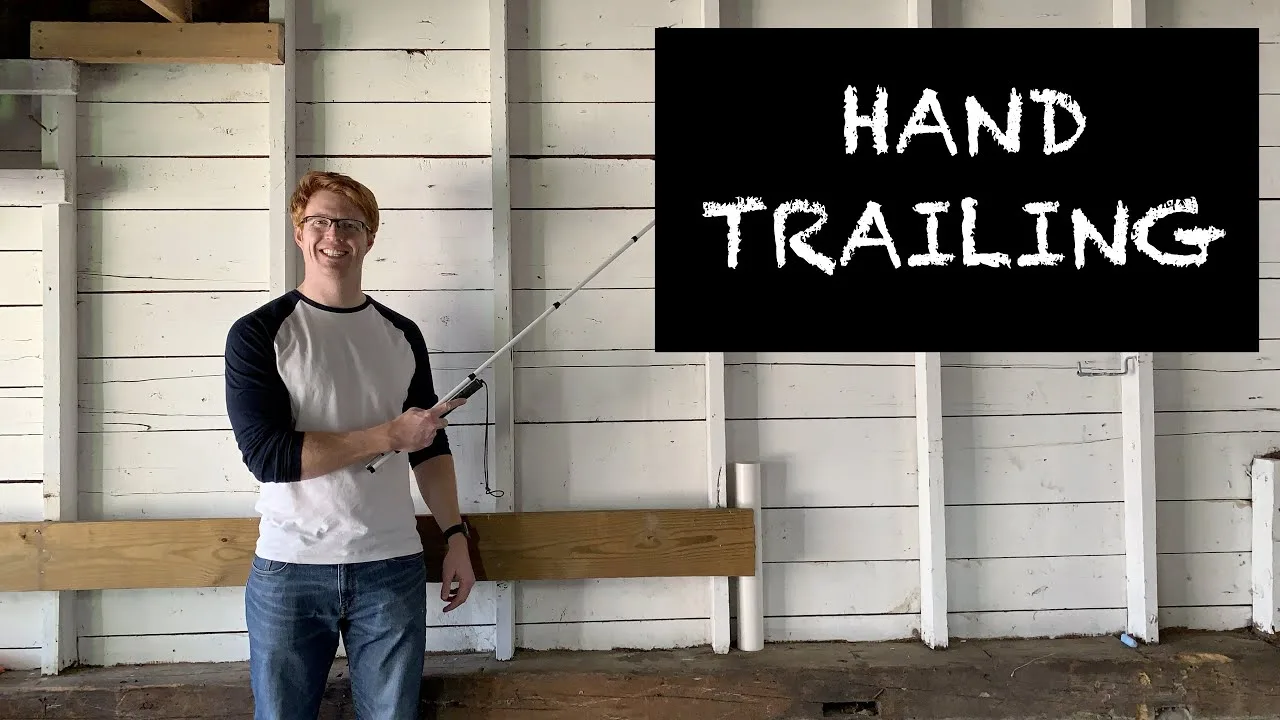
How to Use Hand Trailing on Familiar Routes at Home
Use hand trailing on familiar routes at home by letting touch gather wall, doorway, and furniture clues so movement becomes easier to map without turning every walk into a verbal guessing game.
02 · Open guide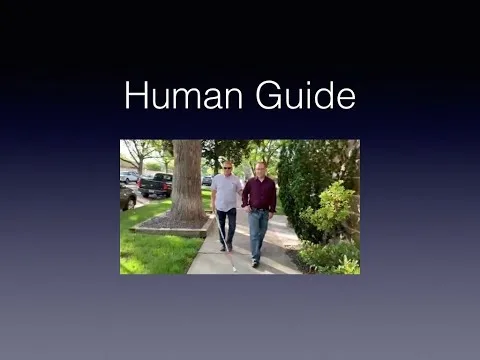
How to Walk With a Human Guide Safely and Comfortably
Human-guide travel works best when you hold just above the guide's elbow, stay half a step behind, and treat pace, stairs, curbs, and narrow spaces as things to communicate early instead of improvising in the moment.
03 · Open guide
How to Use Visual Scanning With Low Vision While Walking
Visual scanning with low vision works best when you use a repeatable pattern, set clear left-right boundaries, and keep checking several steps ahead instead of reacting at the last second.
04 · Open guide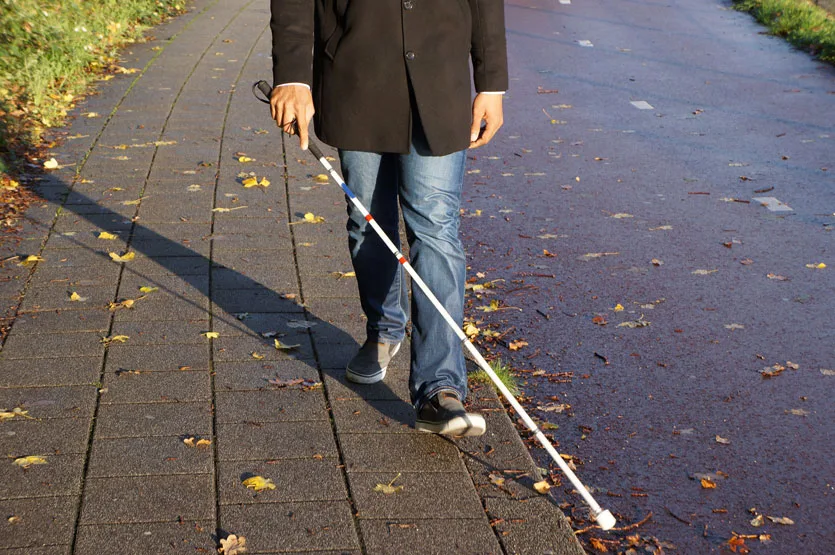
When Do You Need a Support Cane vs. a White Cane?
Use a support cane when the main need is balance and weight-bearing. Use a white cane when the main need is detecting obstacles, drop-offs, and surface changes before you step into them. Some travelers need both.
05 · Open guideCan Route Memory Replace Active Orientation Checks
Can Route Memory Replace Active Orientation Checks explains checking route decisions against live cane, landmark, and sound information before trusting memory alone, with concrete checks, common mistakes, and the follow-up step that keeps the routine dependable.
06 · Open guide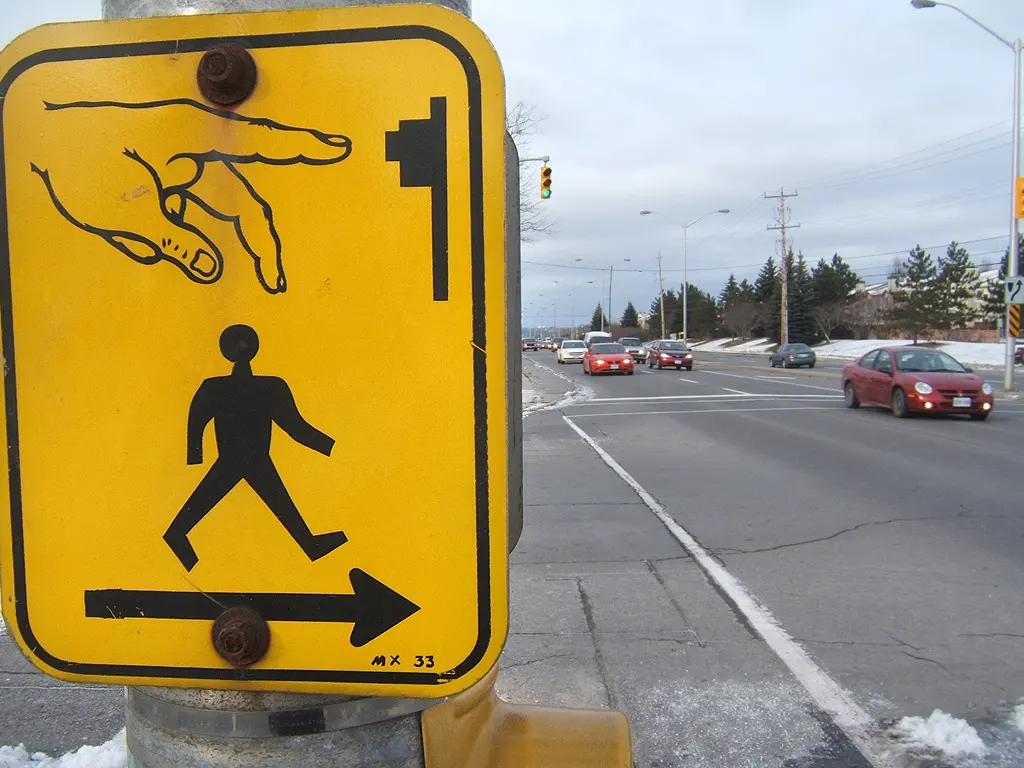
Busy Intersection Prep Checklist
Busy intersections feel more manageable when the approach is broken into simple preparation steps instead of one giant confidence test.
07 · Open guide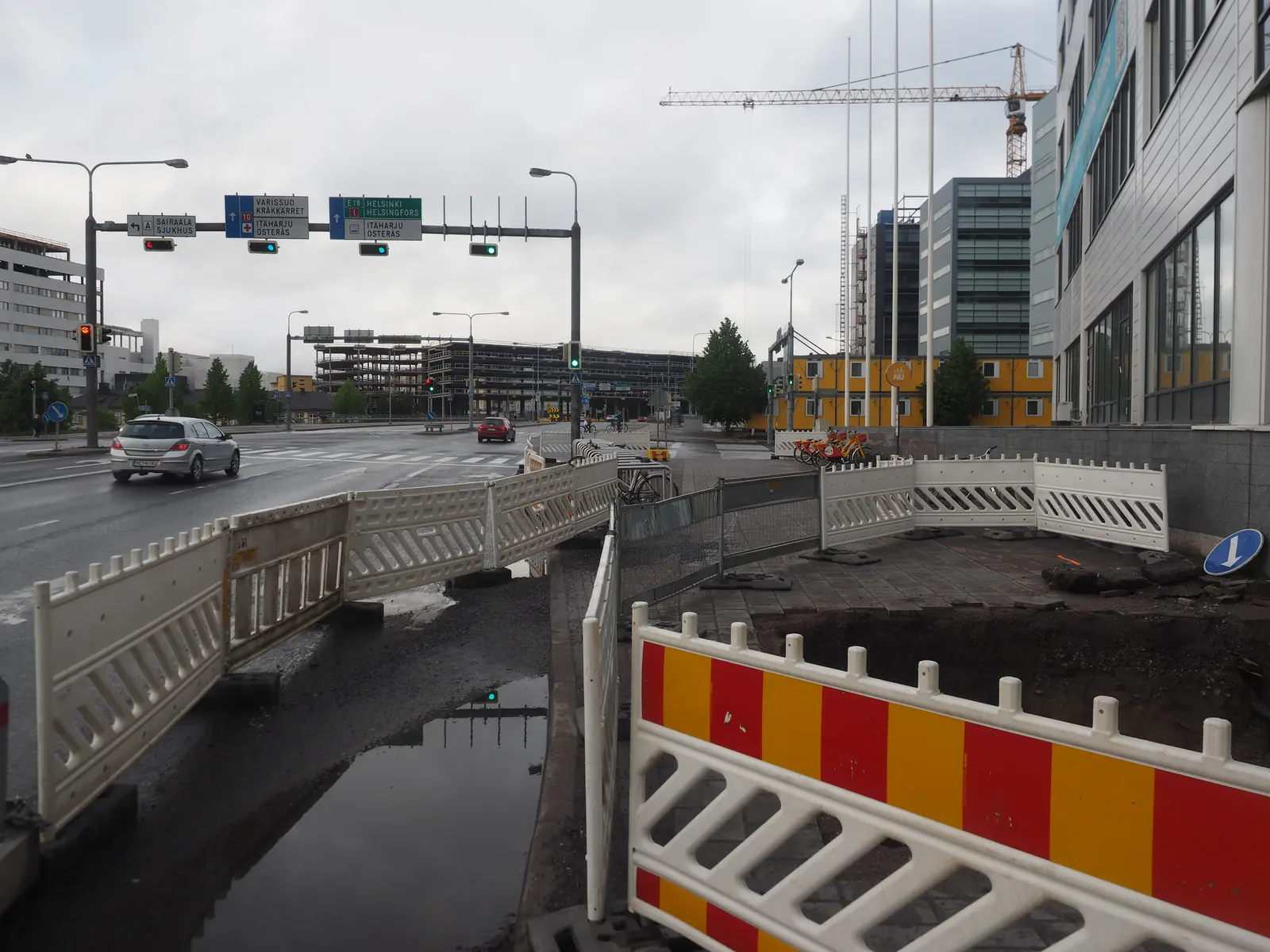
Why a Familiar Route Suddenly Feels Off
A familiar route can feel wrong when construction, parked vehicles, seasonal noise, or personal fatigue changes the cue picture that route memory depends on.
08 · Open guideWhen to Slow Down on an Unfamiliar Route
Slowing down at the right moment often prevents bigger mistakes because it creates time to listen, check alignment, and recover before small uncertainty becomes confusion.
09 · Open guide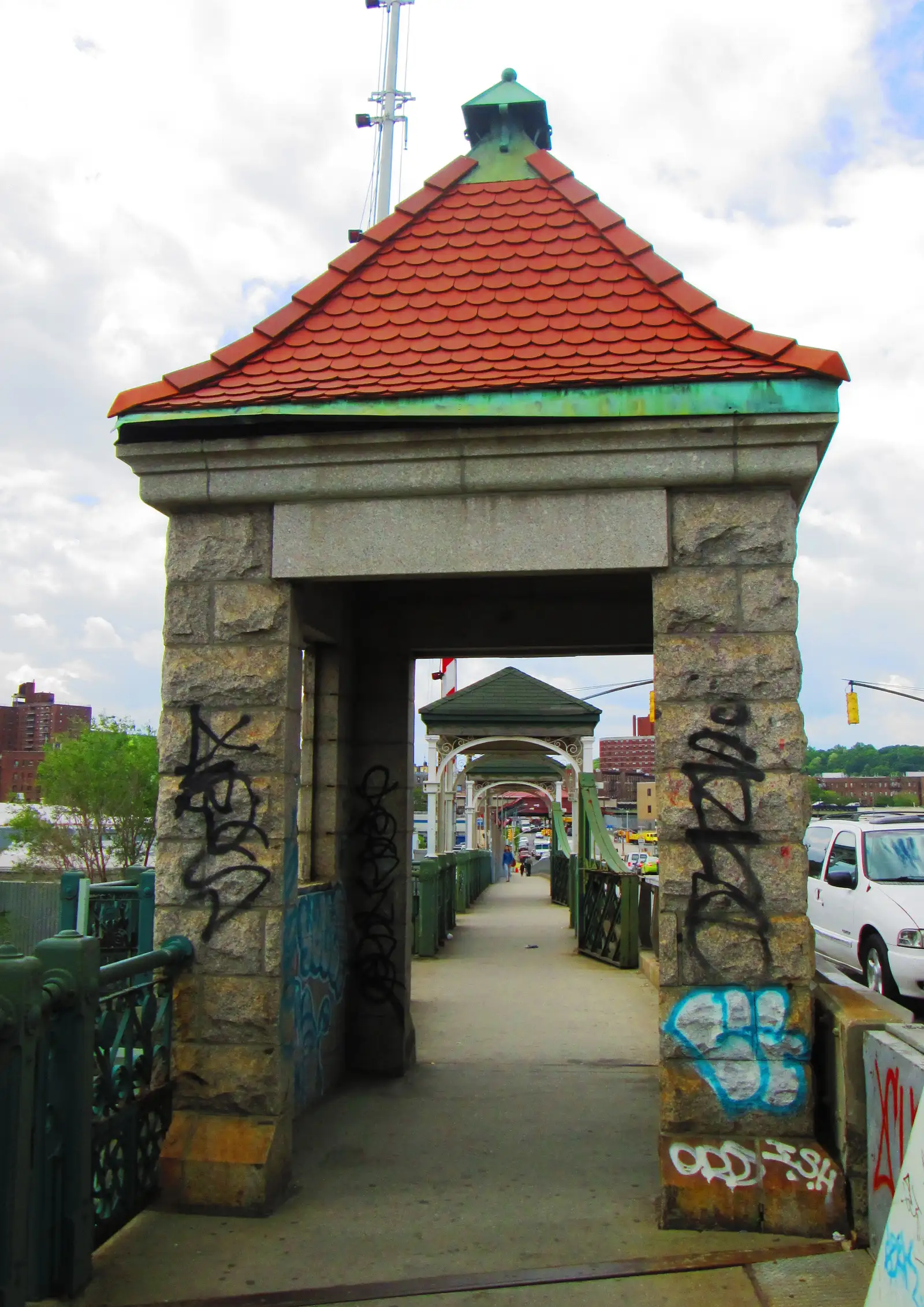
Finding Landmarks Without Overloading Your Route
Good landmarks simplify travel instead of cluttering it, so the best route markers are usually memorable, stable, and easy to check while moving.
10 · Open guide
Do Blind Travelers Use Landmarks and Sound Together?
Yes. Sound cues, landmarks, cane information, and route memory usually work best together rather than as isolated techniques.
11 · Open guideUsing Hearing, Touch, and Smell for Orientation
Nonvisual travel usually becomes easier when hearing, touch, smell, and body awareness are treated as usable orientation cues instead of backup tools used only after visual information fails.
12 · Open guideFirst Orientation and Mobility Lesson Checklist
A practical checklist for readers, parents, and professionals preparing for a first orientation and mobility lesson.
13 · Open guideHow Do Blind People Cross Streets Safely?
A direct, practical answer about how blind travelers use training, cues, judgment, and mobility tools to cross streets more safely.
14 · Open guide
Orientation and Mobility Training
An overview of orientation and mobility training, including cane skills, route planning, street travel, and the confidence side of independent movement.
15 · Open guide